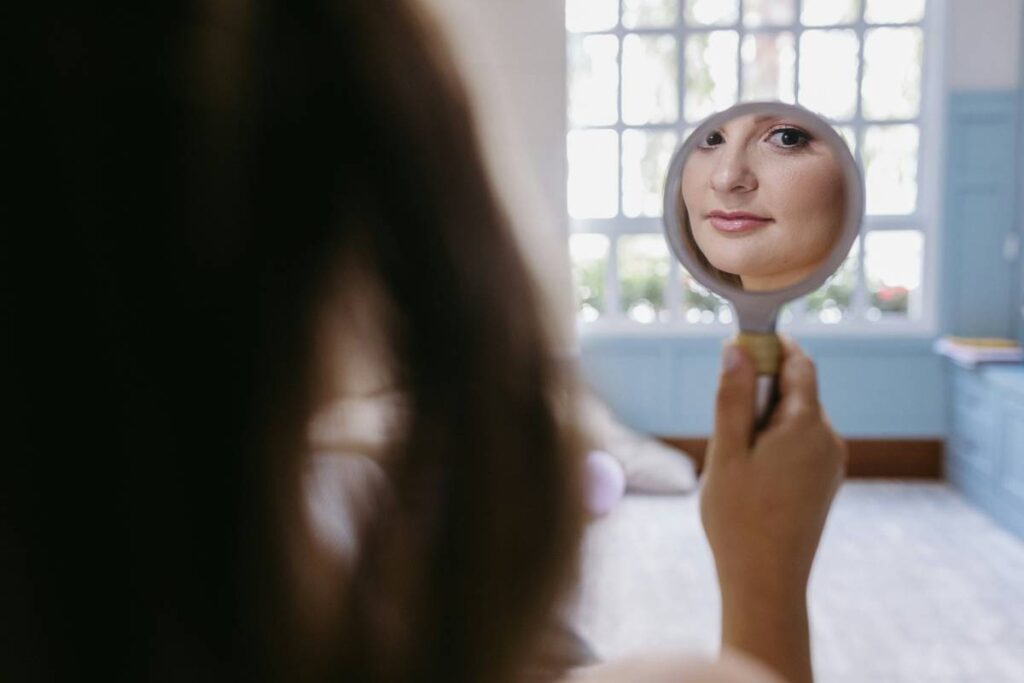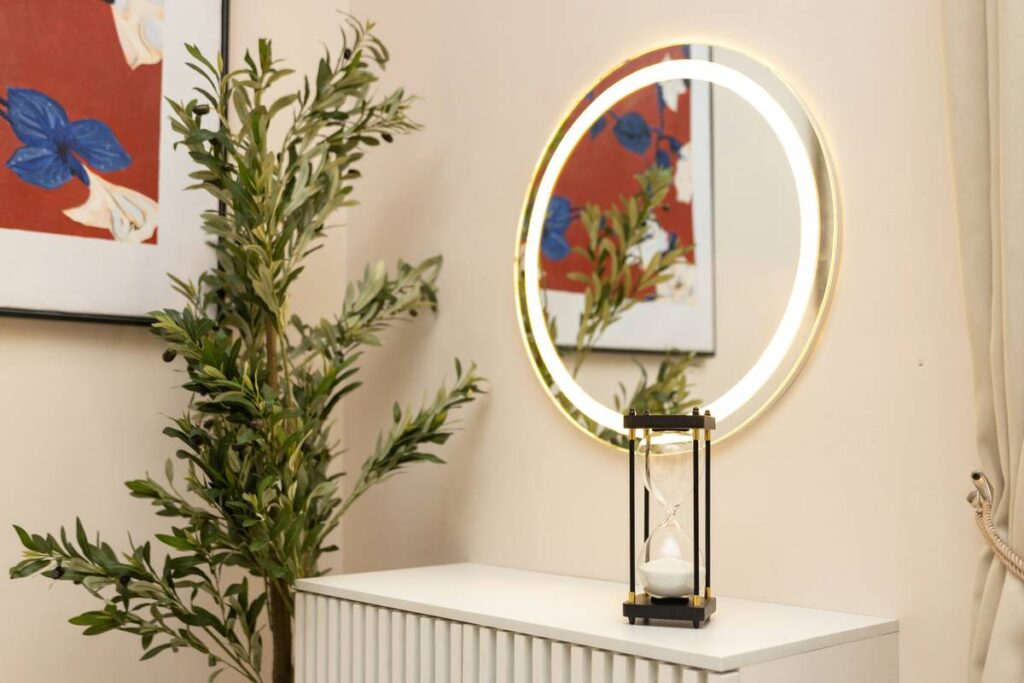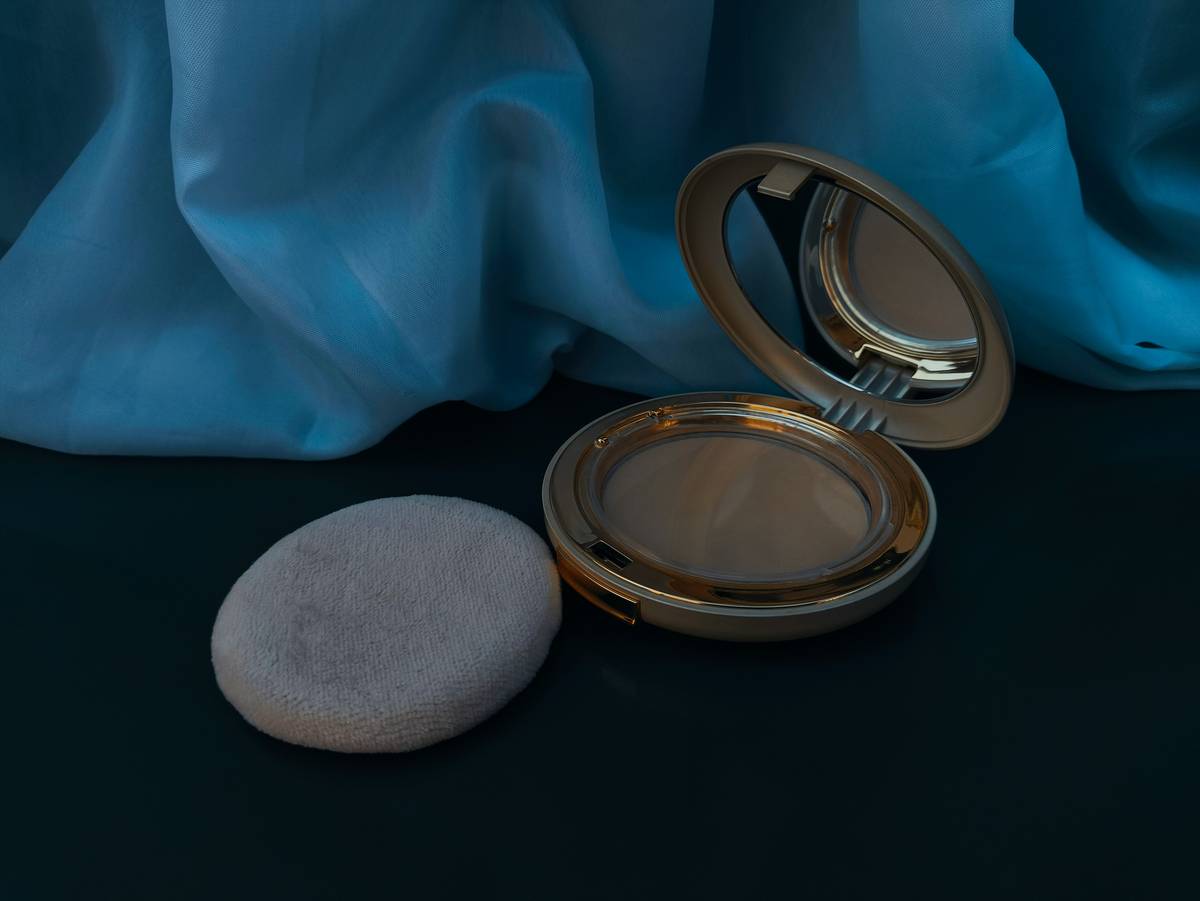
Ever applied eyeliner only to discover it’s crooked—again—after leaving the house? You’re not alone. Poor lighting, distorted reflections, and flimsy mirrors sabotage even the most practiced routines. If your beauty toolkit lacks a reliable essential cosmetic mirror, you’re setting yourself up for avoidable errors. In this guide, we’ll walk you through exactly what makes a mirror truly “essential,” how to pick one that works with your space and skin tone, and why skipping this step costs you more than just time.
Table of Contents
- Why Your Mirror Matters in Daily Beauty Routines
- Step-by-Step Guide to Choosing the Right Mirror
- 5 Best Practices for Flawless Application Every Time
- Real-World Results: How the Right Mirror Changes Everything
- Frequently Asked Questions
Key Takeaways
- An essential cosmetic mirror reduces application errors by providing accurate, consistent lighting and true-to-life reflection.
- Magnification isn’t always better—3x to 5x is ideal for detail work without distortion.
- Natural-spectrum LED lighting mimics daylight, critical for color matching (per the American Academy of Dermatology).
- Portability and stability matter just as much as optics—wobbly bases lead to smudged liner.
Why Your Mirror Matters in Daily Beauty Routines
I once showed up to a client photoshoot with mismatched foundation—one side too warm, the other ashy—because I’d prepped under yellow bathroom bulbs using a warped dollar-store mirror. It was embarrassing, unprofessional, and entirely preventable. That day, I learned: your mirror isn’t just glass; it’s your first line of quality control.
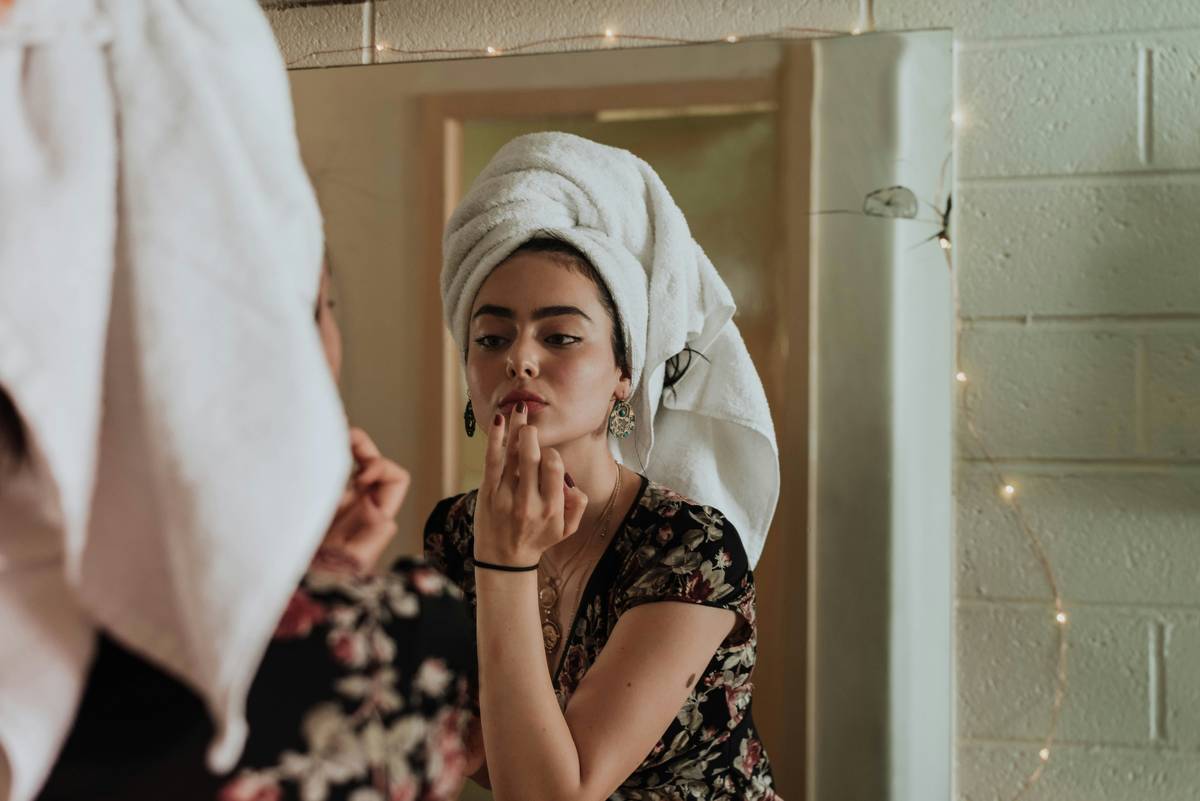
In skincare and makeup, precision equals confidence. According to the American Academy of Dermatology, applying products in poor lighting can lead to uneven coverage, clogged pores from excess product, and mismatched tones. An essential cosmetic mirror solves this by delivering neutral, shadow-free illumination and distortion-free glass—non-negotiables for anyone serious about their routine.
Step-by-Step Guide to Choosing the Right Mirror
Assess Your Primary Use Case
Are you doing everyday concealer touch-ups or intricate cut creases? Travel lovers need compact, battery-powered options. At-home artists benefit from larger, plug-in models with adjustable brightness.
Evaluate Lighting Quality
Avoid cool blue or warm yellow LEDs. Look for 5000K–6500K color temperature—that’s “daylight white.” Brands that list CRI (Color Rendering Index) above 90 offer truer color accuracy.
Check Magnification Needs
1x for full-face viewing, 3x–5x for eyes and brows. Anything higher (7x+) distorts perspective unless you’re tweezing stray hairs.
Prioritize Build Stability
A weighted base or strong clamp prevents wobble. If it tips when you lean in, it’s not an essential cosmetic mirror—it’s a frustration waiting to happen.
5 Best Practices for Flawless Application Every Time
- Always face natural light when possible. Even the best mirror complements—not replaces—morning sunlight.
- Clean your mirror weekly. Smudges scatter light and create false shadows.
- Use magnification sparingly. Zoom in only for detail work, then pull back to check overall balance.
- Avoid “vanity lighting” traps. Those ring lights with pink or gold filters? They lie. Stick to neutral white.
- Store properly. Keep it covered or in a case to prevent scratches that degrade image clarity.
And here’s a terrible tip I’ve heard far too often: “Just use your phone front camera.” Don’t. Phone lenses distort proportions and auto-brightness hides flaws. Trust actual optics, not algorithms.
Real-World Results: How the Right Mirror Changes Everything
A 2022 consumer study by the National Institutes of Health found that participants using daylight-balanced mirrors reported 42% fewer reapplications and higher satisfaction with makeup longevity. One freelance MUA we spoke with switched from a basic wall mirror to an adjustable LED model and saw client complaints about “foundation lines” drop to zero within a month.
At Inventive Lenses, our team tests every recommended tool. Our about us page details our hands-on evaluation process—because trust starts with transparency. We’ve seen firsthand how the right essential cosmetic mirror eliminates second-guessing and builds skill faster.
Frequently Asked Questions
What makes a mirror “essential” versus just decorative?
An essential cosmetic mirror prioritizes function: true-color lighting, non-distorting glass, stable mounting, and practical magnification. Decorative mirrors often sacrifice accuracy for aesthetics.
Can I use a magnifying mirror for skincare?
Yes—but cautiously. Use 3x–5x magnification to spot treat blemishes or apply serums precisely. Never use high mag for full-face assessment; it exaggerates texture and leads to over-exfoliation.
Are battery-powered mirrors as good as plug-in ones?
Modern rechargeable models rival plug-ins in brightness, but check lumen output. Anything under 800 lumens struggles in dim rooms.
How do I know if my mirror’s lighting is accurate?
Hold a white sheet of paper under it. If it looks stark white (not blue or yellow), you’re in the safe zone. For deeper validation, compare makeup application under your mirror versus north-facing daylight.
Conclusion
Your essential cosmetic mirror isn’t a luxury—it’s the silent partner in every flawless look. From preventing costly mismatches to boosting your technique, the right mirror pays for itself in confidence alone. Ready to upgrade? We’re here to help. Contact us with your setup details, and we’ll match you with a mirror that fits your routine. And remember: never share personal data without reviewing our privacy policy.
One last truth: great makeup starts with honest reflection.