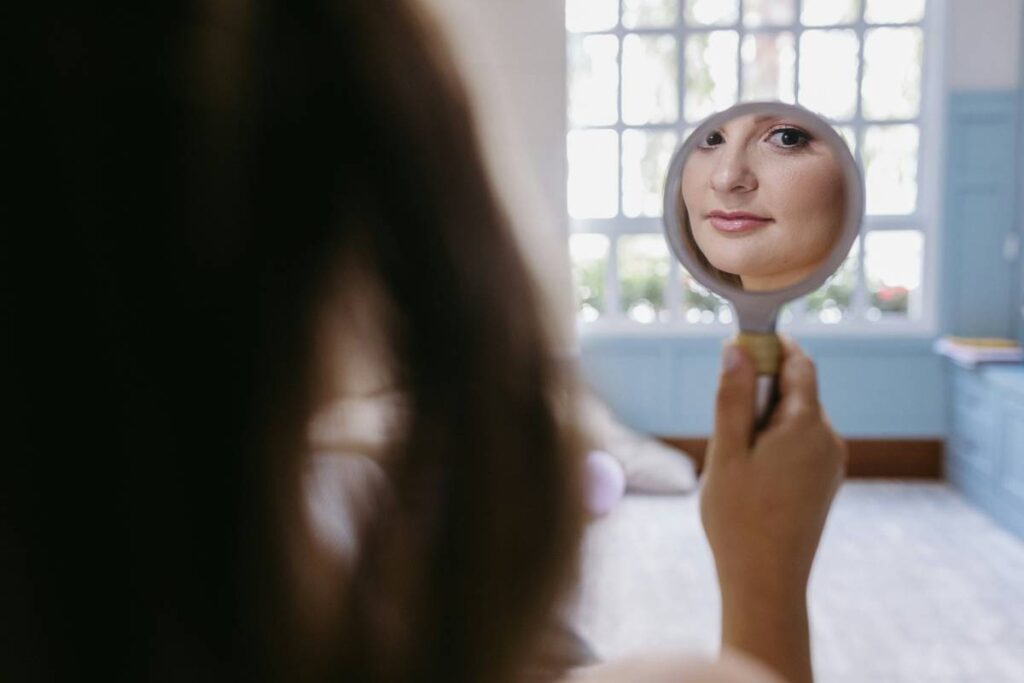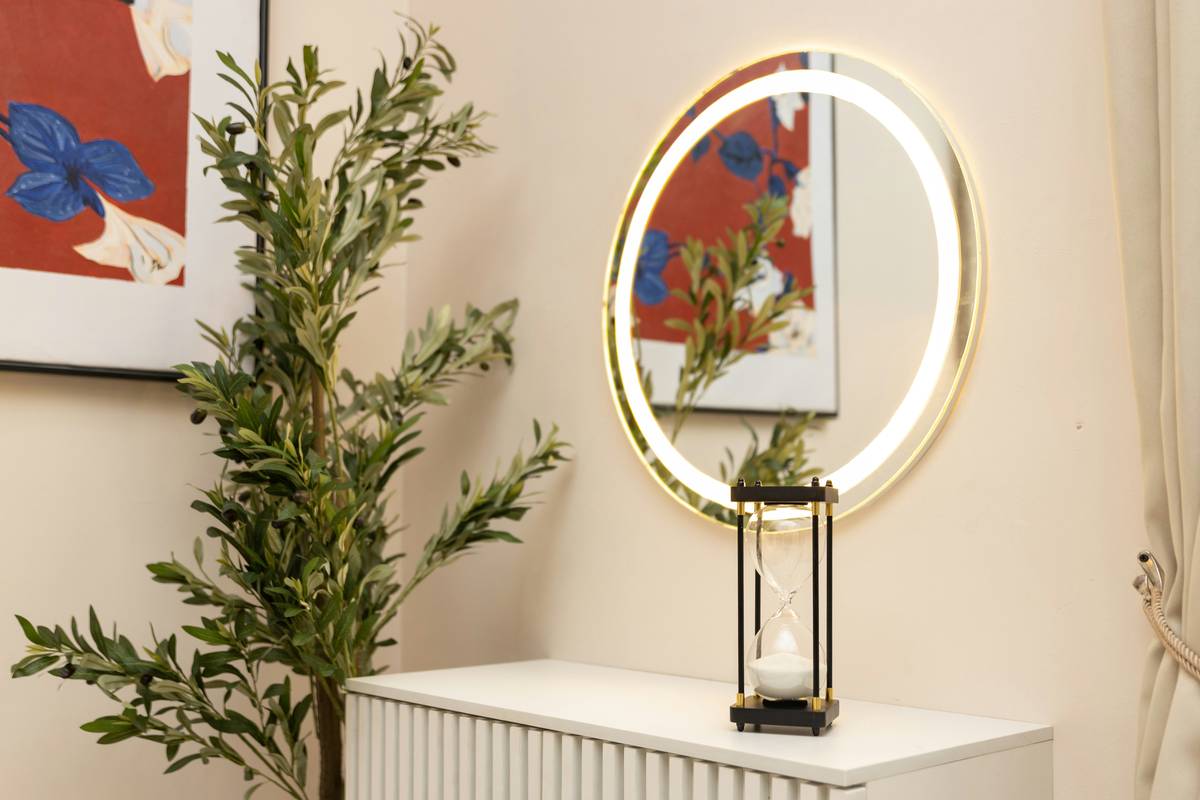
You spent hours perfecting your contour. Blended like a pro. Then you step outside—and it’s a muddy disaster. Harsh lighting, distorted angles, cheap glass: your beauty vanity mirror isn’t helping—it’s lying to you. The fix? Not another “smart mirror.” It’s understanding what *actually* makes light honest.
The Core Problem: Most Beauty Vanity Mirrors Lie About Light
Big brands sell mirrors with “LED lighting” and call it premium. But color temperature? CRI (Color Rendering Index)? Rarely mentioned. Most emit cool, bluish light around 6500K—great for offices, terrible for skin. That flawless finish under artificial glare? It collapses in daylight. And magnification? Often uneven or too aggressive, warping your perception of coverage. You’re not bad at makeup. Your mirror is gaslighting you—with photons.
How to Choose and Use a Beauty Vanity Mirror That Actually Works
Step 1: Demand True-to-Life Lighting
Look for a mirror with adjustable color temperature—from warm (3000K) to daylight (5000K). And never accept CRI below 90. Anything less distorts reds, browns, and skin undertones. Period.
Step 2: Match Magnification to Your Routine
3x is ideal for detail work (eyeliner, brows). But for foundation or overall blending? Stick to 1x. Over-magnification tricks you into over-applying product. Less is more—unless you’re tweezing.
Step 3: Position Matters More Than Power
No amount of LEDs saves you if the light hits from above or below. Front-facing, diffused illumination—like natural window light—is non-negotiable. Side lights create shadows that mimic texture, making you “correct” what isn’t there.
| Mirror Type | CRI Rating | Color Temp Range | Ideal For | Average Cost |
|---|---|---|---|---|
| Budget LED Mirror | 70–80 | Fixed 6000K+ | Quick touch-ups only | $15–$30 |
| Mid-Tier Adjustable Mirror | 85–90 | 3000K–5000K | Daily makeup, skincare checks | $50–$120 |
| Pro Studio Mirror | 95+ | 2700K–6500K | Professional application, color matching | $150–$400 |

The Industry Secret: Salon Mirrors Are Calibrated Weekly—Yours Should Be Too
Here’s what no beauty brand tells you: even high-CRI mirrors drift over time. Bulbs degrade. Sensors fail. Pros recalibrate their lighting every 30 days using a lux meter and reference card. You don’t need lab gear—but once a month, test your mirror against north-facing daylight. Apply foundation indoors, then step outside. If it shifts from “flawless” to “ashy,” your mirror failed the test. Replace bulbs or adjust settings. Consistency beats specs.
FAQ
What’s the best magnification for a beauty vanity mirror?
For most users, 3x is sufficient for detail work, but always pair it with a 1x main panel. Avoid anything above 5x—it exaggerates pores and leads to over-application.
Can a beauty vanity mirror replace natural light?
Only if it offers 5000K color temperature and CRI ≥90. Even then, verify your look in actual daylight before heading out. No mirror fully replicates sun diffusion.
Are smart mirrors worth the extra cost?
Only if they include true CRI ≥90 and adjustable Kelvin temps. Many “smart” features (Bluetooth, apps) add cost without improving color accuracy—the one thing that matters.