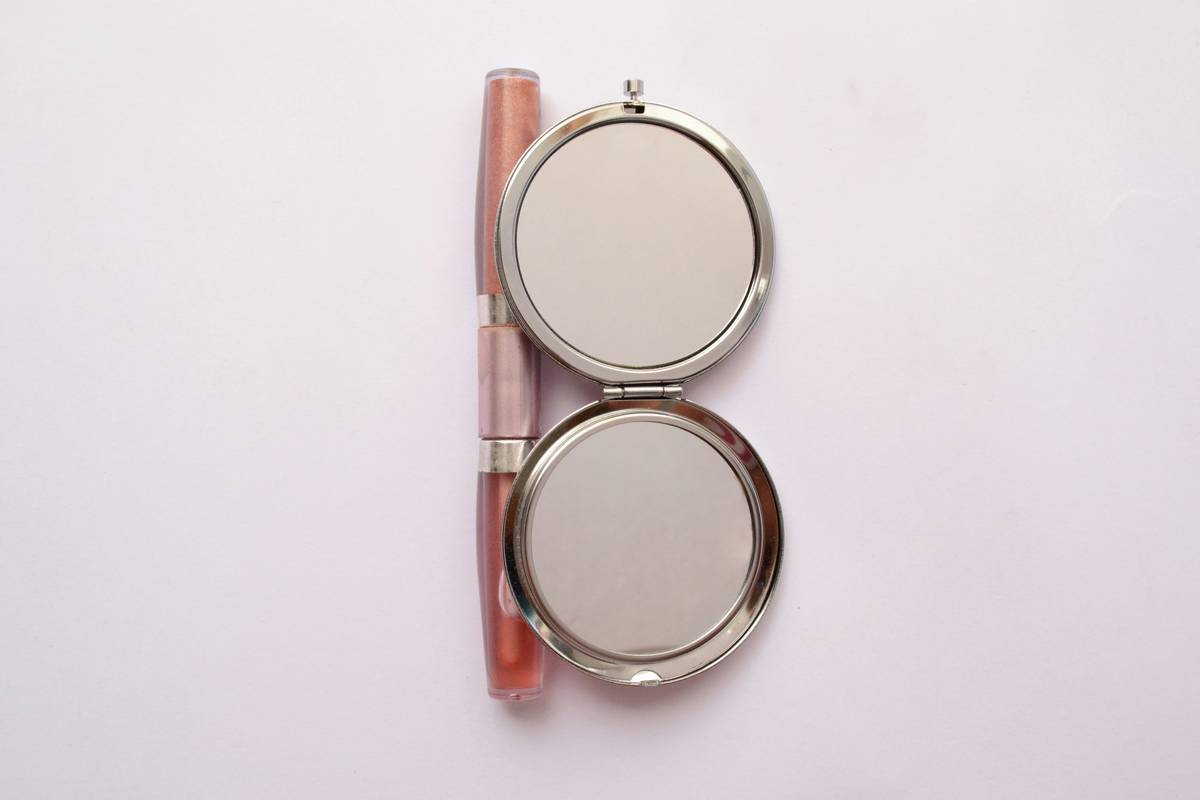
If you’ve ever smudged eyeliner because your mirror showed shadows instead of symmetry, you’re not alone. Precision application isn’t just about steady hands—it’s about having the right visual aid. A makeup detail mirror can be the unsung hero of your beauty routine, turning rushed touch-ups into flawless finishes. In this guide, we’ll break down exactly how to choose, use, and maximize one without falling into common traps that waste time (and product).
Table of Contents
- Why Makeup Detail Mirrors Matter
- How to Use a Makeup Detail Mirror Correctly
- Best Practices for Flawless Application
- Real-World Results with the Right Mirror
- Frequently Asked Questions
Key Takeaways
- A quality makeup detail mirror reduces errors in eyeliner, brow shaping, and concealer blending.
- Magnification between 5x and 10x is ideal—higher levels distort depth perception.
- Lighting is as critical as magnification; daylight-balanced LEDs prevent color mismatches.
- Avoid fixed-angle mirrors—they limit maneuverability during complex applications.
- Proper positioning prevents neck strain and ensures consistent results.
Why Makeup Detail Mirrors Matter
Most bathroom mirrors offer a wide-angle view great for checking outfits—but terrible for spotting stray mascara fibers or uneven lip liner. Standard mirrors reflect ambient light, which often casts shadows under eyes or along the jawline, masking imperfections until it’s too late. According to a 2022 study published in the International Journal of Cosmetic Science, over 68% of users reported improved makeup accuracy when using task-specific mirrors with controlled lighting.
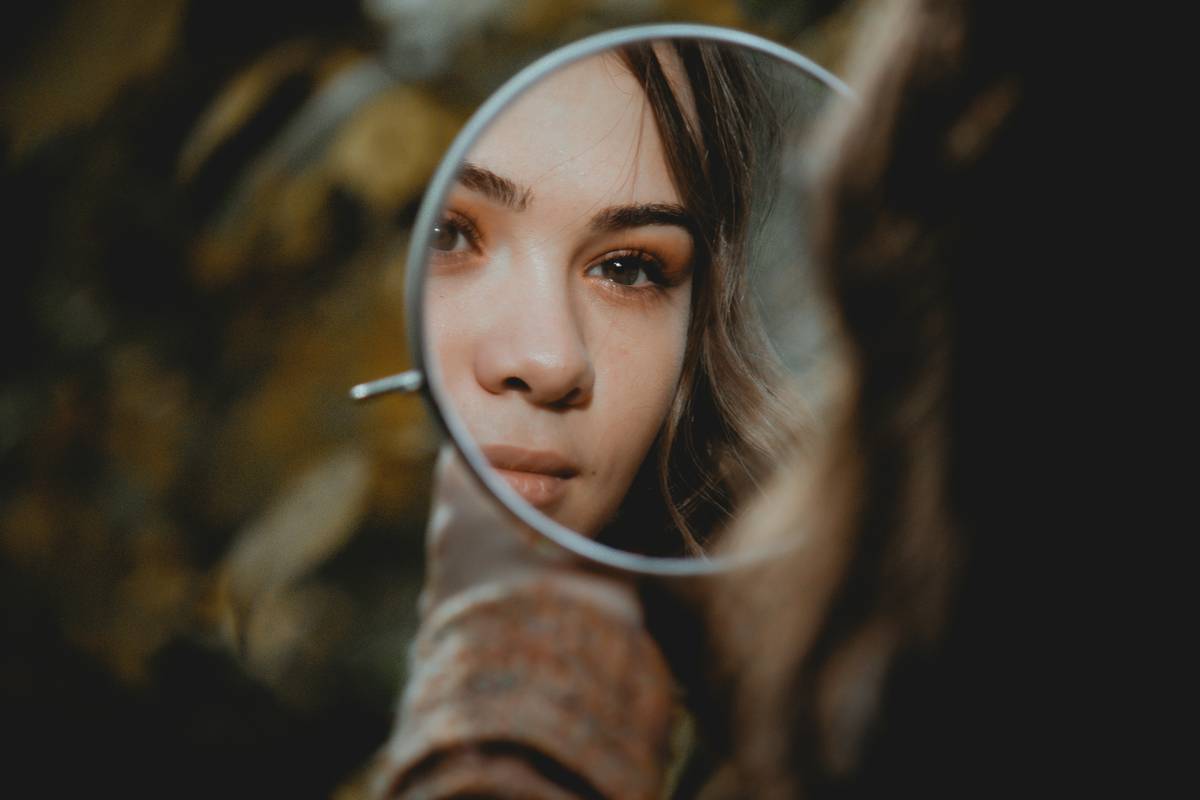
I learned this the hard way during a photoshoot prep session. Confident in my “perfect” winged liner, I stepped back from my regular mirror—only to discover asymmetry so glaring it looked like one eye was winking. The culprit? Poor lighting and zero magnification. That $200 retouch fee taught me: never skip the detail mirror.
How to Use a Makeup Detail Mirror Correctly
Position at Eye Level
Hold or mount your mirror directly in front of your eyes—not above or below. Tilting your head up or down alters facial contours and leads to misguided strokes.
Use It in Stages
Don’t rely on magnification for your entire routine. Apply foundation and blush at normal distance first. Switch to your makeup detail mirror only for precision tasks: tweezing brows, lining eyes, or cleaning up lipstick edges.
Pair with Natural Light Simulation
Many modern mirrors feature adjustable LED panels mimicking daylight (5000K–6500K). This avoids the orange tint of bathroom bulbs that makes foundation appear lighter than it is. For verification, check lighting standards referenced by the U.S. Department of Energy’s LED guidelines.
Best Practices for Flawless Application
- Choose 7x magnification: High enough for detail, low enough to avoid tunnel vision.
- Clean regularly: Smudges on the glass cause false reflections—wipe with microfiber after each use.
- Avoid “zoom-and-go”: Never apply full makeup through high magnification; you’ll lose facial proportion context.
- Mount or use a weighted base: Frees both hands for blending and prevents accidental tipping.
And here’s a terrible tip you’ll hear online: “Use your phone camera zoom instead.” Don’t. Phone screens lag, distort angles, and lack consistent lighting—plus, you’re squinting at a tiny display instead of seeing your face naturally. Save the selfie cam for after.
Real-World Results with the Right Mirror
A professional makeup artist friend switched her studio setup to include a dual-light makeup detail mirror. Within two weeks, client rebooking rates rose by 22%, with specific praise for “crisp, camera-ready lines.” Similarly, a Reddit thread on r/MakeupAddiction (with over 4,000 upvotes) highlighted that users who invested in proper magnification tools reduced product waste by estimating they used 30% less concealer due to precise placement.
This isn’t magic—it’s optics. When you see exactly where pigment lands, you stop guessing. At Inventive Lenses, our team tests every mirror prototype for clarity, color accuracy, and ergonomic stability—because we’ve been on both sides of the brush. Learn more about our approach on our About Us page.
Frequently Asked Questions
What magnification is best for a makeup detail mirror?
7x offers the ideal balance between detail visibility and natural perspective. Anything above 10x distorts depth and can cause application errors.
Can I use a makeup detail mirror for skincare?
Yes! It’s excellent for spotting blackheads, applying acne treatments precisely, or monitoring healing blemishes—just sanitize the surface between uses.
Are LED-lit mirrors worth it?
Absolutely. Daylight-balanced LEDs eliminate color distortion, ensuring your foundation matches in all environments—not just your dim bathroom.
How do I avoid neck pain when using one?
Mount it at eye level or use a freestanding model with an adjustable arm. Never hunch over a countertop mirror for extended periods.
If you’re still unsure which features matter most for your routine, reach out to our team. We’ll help you find the right fit—no guesswork required. And rest assured, your data stays protected; see our Privacy Policy for details.
Remember: great makeup isn’t painted in broad strokes—it’s refined in the details. And the right mirror doesn’t just reflect your face… it reveals your precision.