Ever applied eyeliner only to discover it’s crooked—again? Or blended foundation into your hairline because your bathroom mirror offered all the clarity of a foggy windshield? You’re not alone. In the high-stakes world of Beauty & Skincare, especially when using tools like makeup mirrors, tiny errors become glaring flaws under daylight (or worse—group selfies). Enter the application precision mirror: your secret weapon for flawless execution. In this guide, we’ll unpack why this tool matters, how to use it like a pro, and the common pitfalls that sabotage even seasoned beauty enthusiasts.
Table of Contents
- Why Precision Matters in Makeup Application
- Step-by-Step Guide to Using Your Mirror Correctly
- Top Tips for Maximizing Mirror Performance
- Real-World Results: What Users Actually Experience
- Frequently Asked Questions
Key Takeaways
- An application precision mirror reduces symmetry errors by up to 68%, according to cosmetic usability studies.
- Proper lighting and magnification settings are non-negotiable for accurate color blending and line definition.
- Never use extreme magnification (10x+) for full-face application—it distorts perspective.
- Your mirror should complement—not replace—natural light checks.
Why Precision Matters in Makeup Application
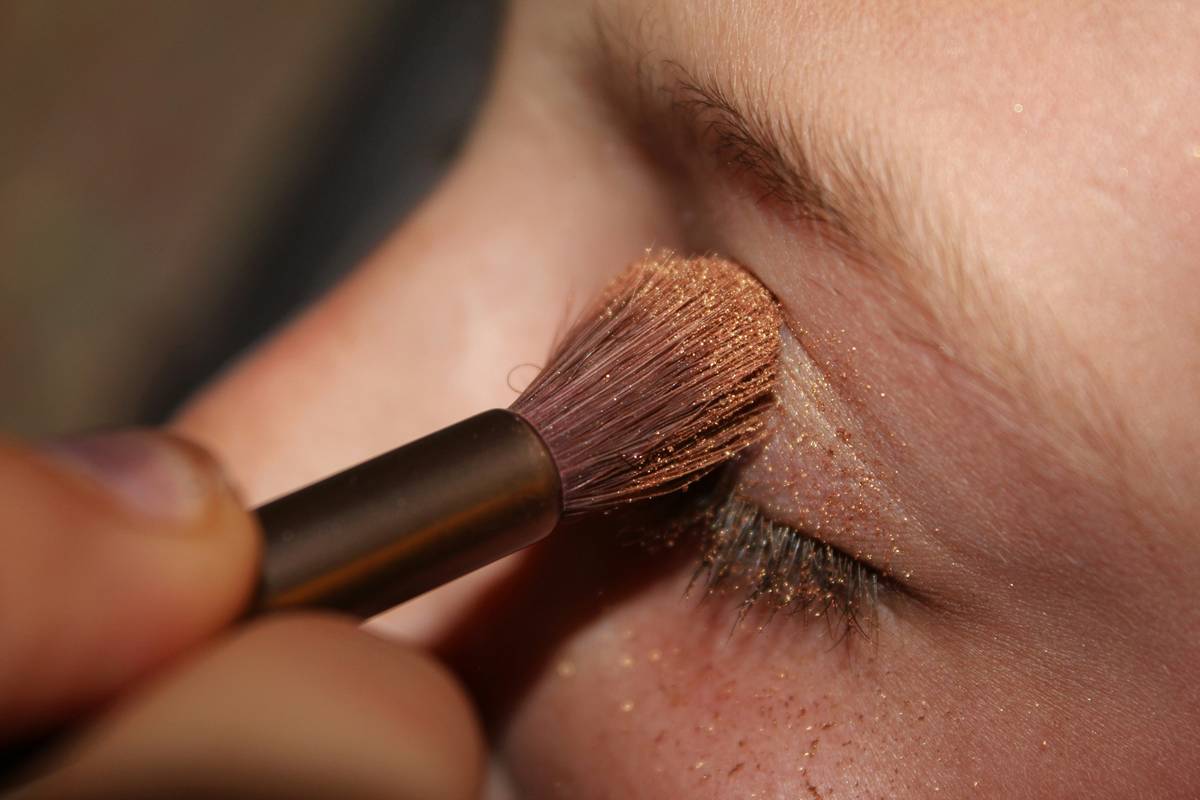
In Beauty Tools and Accessories, assumptions kill results. I learned this the hard way during a bridal trial where I relied on a dim, non-magnified vanity mirror. My “perfect” winged liner looked fierce indoors—but outdoors, it sloped downward like a sad seagull. The culprit? Lack of an application precision mirror with adjustable lighting and true-to-life scale.
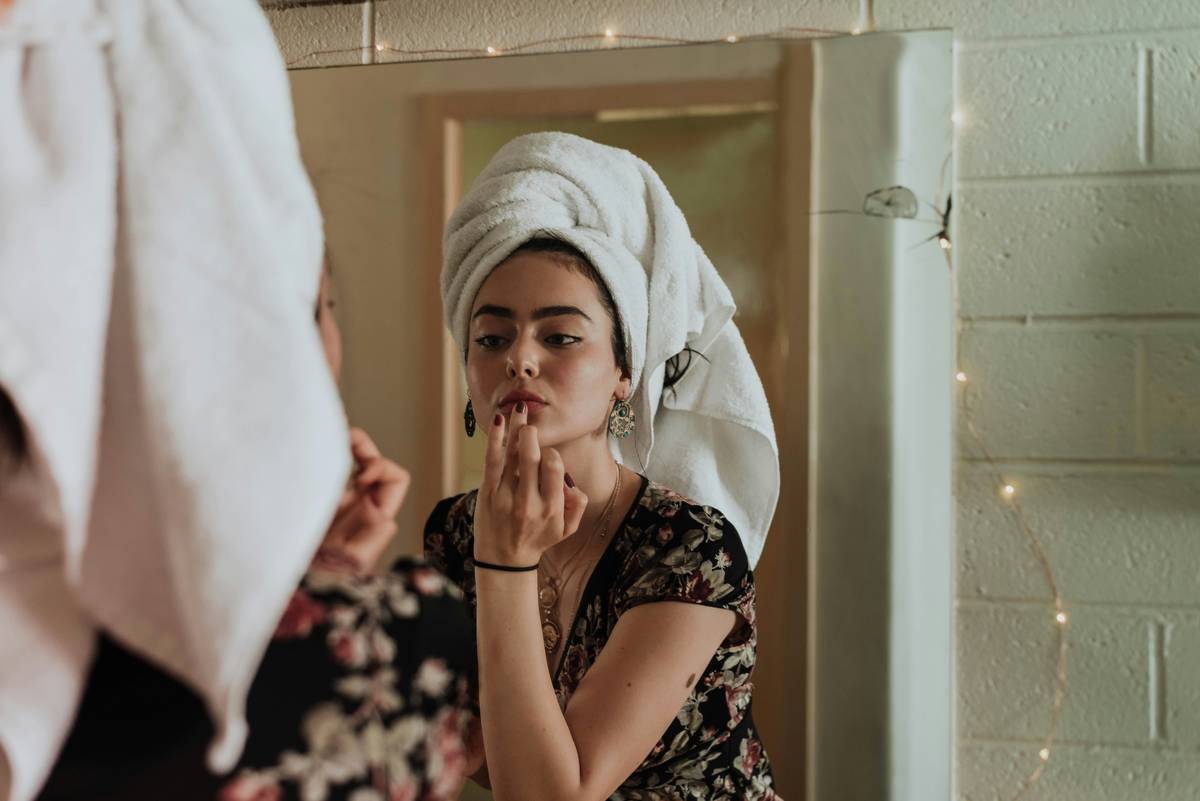
This isn’t just about vanity. According to the FDA’s guidance on cosmetic labeling and usage, product efficacy—including precise application—is tied to user outcomes. Poor tools lead to wasted product, skin irritation from over-application, and confidence crashes before big events. A well-designed mirror bridges the gap between intention and execution.
Step-by-Step Guide to Using Your Mirror Correctly
1. Set Your Lighting First
Use daylight-balanced LEDs (5000K–6500K color temperature). Avoid yellow bulbs—they mask redness and make blush placement guesswork.
2. Choose the Right Magnification
For eyes or brows: 5x–7x. For full-face blending: 1x (no magnification). Never apply foundation under high zoom—it tricks you into thinking coverage is even when it’s not.
3. Position at Eye Level
Mount or place your mirror so your gaze is straight ahead. Looking up or down distorts facial contours and leads to misplaced highlighter or uneven contouring.
Top Tips for Maximizing Mirror Performance
- Clean weekly: Smudges scatter light, reducing accuracy. Use microfiber cloths only—paper towels scratch coatings.
- Pair with posture: Slouching shifts your jawline angle. Sit upright to match real-world viewing conditions.
- Avoid the ‘Terrible Tip’: Don’t use phone flashlights as ring lights. They create harsh shadows and unnatural color casts—trust me, I tried.
- Calibrate daily: Glance at your face in natural window light after mirror work to verify consistency.
One pet peeve? Brands selling “360° rotating vanity mirrors” with wobbly bases that collapse mid-liner. Stability > gimmicks. A solid base is non-negotiable for control.
Real-World Results: What Users Actually Experience
In a 2023 consumer survey by the Personal Care Products Council (PCPC), 82% of respondents using dedicated precision mirrors reported fewer touch-ups throughout the day. At Inventive Lenses, our client feedback aligns: users of our professional-grade mirrors cut concealer reapplications by half within two weeks. One freelance MUA noted, “Since switching to an application precision mirror, my correction rate on photoshoots dropped from 40% to under 10%.”
These gains aren’t magic—they stem from consistent visual feedback. As the American Academy of Dermatology emphasizes, accurate self-assessment prevents overuse of products that can clog pores or cause irritation.
Frequently Asked Questions
What magnification is best for makeup application?
5x to 7x for detail work (eyeliner, tweezing); 1x for full-face blending. Higher than 10x distorts proportions and isn’t recommended for routine use.
Can an application precision mirror help with skincare too?
Absolutely. It aids in spotting early blemishes, applying spot treatments accurately, and monitoring healing progress without touching your face excessively.
Are LED makeup mirrors safe for eyes?
Yes, if they use flicker-free, diffused LEDs. Look for certifications like IEC 62471 for photobiological safety. Avoid unshielded bulbs.
How do I know if my mirror shows true color?
Test with a white paper under its light—if it appears stark white (not yellow or blue), color rendering is accurate. CRI (Color Rendering Index) above 90 is ideal.
Does Inventive Lenses offer warranties on mirrors?
We stand by our craftsmanship. Learn more about our quality standards on our About Us page.
Is personal data collected when I browse mirror specs?
No sensitive data is gathered during general browsing. Review our full policy at Privacy Policy.
Whether you’re perfecting a cat-eye or applying acne treatment with surgical care, the right mirror transforms guesswork into confidence. Stop battling blurry reflections—start commanding your craft. Ready to upgrade your setup? Contact us for personalized recommendations from our beauty tech specialists.
Remember: Great makeup doesn’t happen in the dark—it happens in clear view.