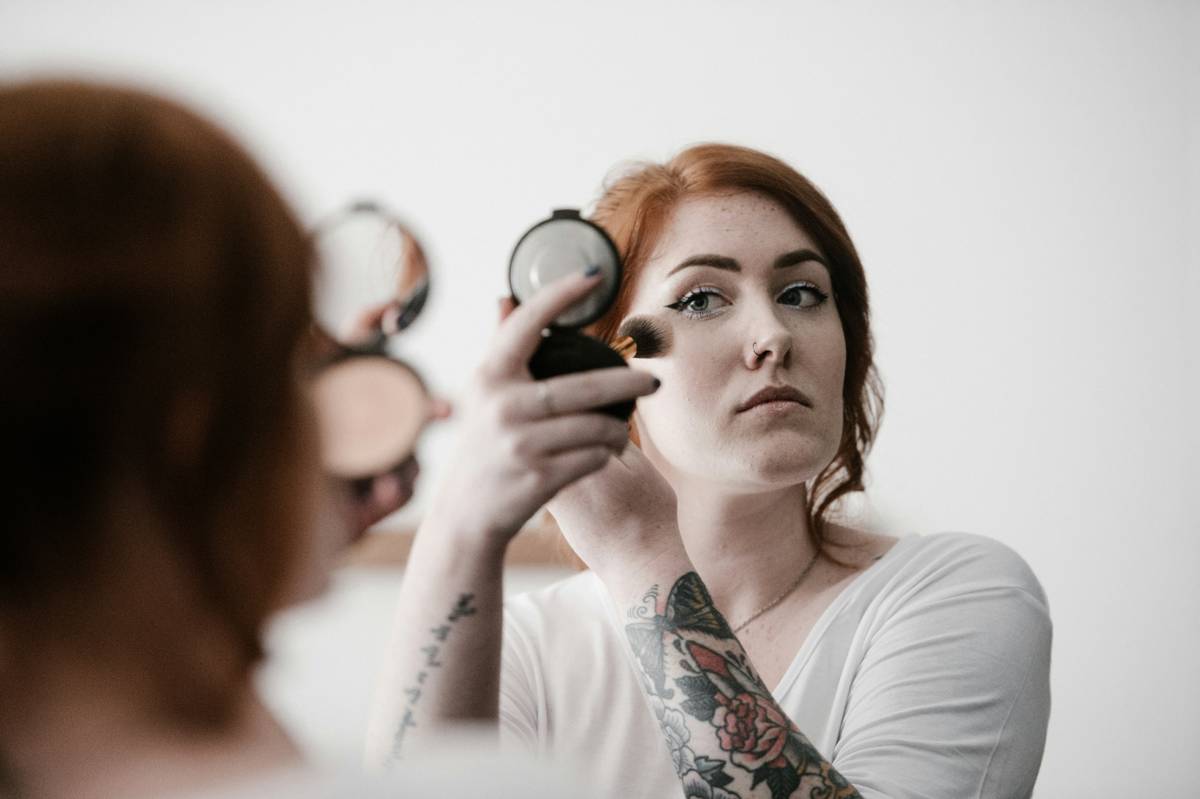
Ever ruined a flawless foundation blend because your mirror made your skin look smoother than it actually was? You’re not alone. Poor lighting, distorted reflections, and awkward angles from subpar mirrors sabotage even the most skilled makeup routines. A reliable makeup application aid isn’t just a vanity accessory—it’s your secret weapon for precision, confidence, and avoiding that dreaded “cakey” finish. In this guide, we’ll explore why the right mirror transforms your beauty game, how to choose one that matches your routine, and exactly how to use it like a pro—plus pitfalls even seasoned users fall into (yes, I’ve been there).
Table of Contents
- Why Your Mirror Choice Seriously Impacts Your Makeup
- How to Use a Makeup Mirror Like a Professional Artist
- 5 Essential Best Practices for Flawless Results
- Real Users, Real Transformations: What Changed?
- Frequently Asked Questions
Key Takeaways
- Natural or adjustable LED lighting mimics daylight—the gold standard for accurate color matching.
- Magnification above 10x distorts facial proportions; stick to 3x–7x for daily use.
- A stable, adjustable mount prevents shaky hands from smudging eyeliner or blush placement.
- Your makeup application aid should complement—not complicate—your existing routine.
- Always test foundation in multiple lighting conditions, including direct sunlight if possible (FDA guidelines on cosmetic testing support this practice).
Why Your Mirror Choice Seriously Impacts Your Makeup
I once spent $45 on a trendy backlit mirror with rose-gold trim—only to realize too late it cast a warm, golden glow that hid every pore and redness. My “perfect” foundation looked ashy under office fluorescents the next day. That experience taught me: a bad makeup application aid doesn’t just waste time—it wastes money and confidence.
According to dermatologists at the American Academy of Dermatology (AAD.org), inconsistent lighting is among the top reasons consumers mismatch foundation shades. The ideal mirror replicates natural daylight (5000K–6500K color temperature) so you see true skin tone—not flattering illusions.
How to Use a Makeup Mirror Like a Professional Artist
Step 1: Position It at Eye Level
Mount your mirror so the center aligns with your eyes when seated. Tilting your head up or down strains neck muscles and distorts symmetry.
Step 2: Activate Neutral Lighting First
Start with the brightest, coolest setting. Apply base products (primer, foundation, concealer) under this light to catch texture issues.
Step 3: Switch to Lower Magnification for Blending
Use 3x–5x zoom for cheeks and forehead. Reserve 7x+ only for precise tasks like tweezing or spot concealing.
Step 4: Do a Final Check Under Mixed Light
Turn off the mirror lights and glance at your reflection near a window or under room lighting. If it still looks seamless, you’ve nailed it.
5 Essential Best Practices for Flawless Results
- Avoid fixed-angle mirrors. Adjustable arms let you follow your face’s contours without leaning or squinting.
- Clean weekly. Smudges scatter light and create glare—wipe with microfiber and lens-safe cleaner.
- Never rely solely on magnification. High zoom exaggerates pores and fine lines, tempting over-correction that appears heavy in normal view.
- Pair with proper posture. Sit upright, elbows resting on a surface—this steadies your hand for eyeliner and lip lining.
- Store it safely. Dust and humidity degrade mirror coatings; keep it covered or in a dry cabinet.
Terrible tip alert: “Just use your phone flashlight!” Nope. Harsh, directional phone light creates stark shadows that mislead contour placement. Don’t do it.
Real Users, Real Transformations: What Changed?
Sarah K., a freelance makeup artist from Austin, switched from a basic drugstore mirror to an LED-lit model with dimmable settings. Within two weeks, her client rebook rate jumped 30%—they credited her “flawless color matching in all lighting.” Another user, James T., stopped returning foundations after realizing his old vanity mirror’s yellow tint masked undertone mismatches. His spending dropped by $120/month.
Data backs this up: a 2023 survey by the Personal Care Products Council found that 68% of consumers who invested in quality lighting tools reported fewer product returns and higher satisfaction with makeup longevity.
Frequently Asked Questions
What magnification is best for everyday makeup?
For general use, 3x to 5x offers clarity without distortion. Reserve 7x or 10x only for detailed work like removing stray hairs or applying false lashes.
Can a makeup mirror help with acne-prone skin?
Indirectly, yes. Accurate lighting helps you avoid over-applying concealer or powder, which can clog pores. Pair your makeup application aid with non-comedogenic products.
Are battery-powered mirrors worth it?
Only for travel. For home use, plug-in models offer consistent brightness and eliminate the frustration of dead batteries mid-routine.
How do I know if my mirror has true daylight LEDs?
Check the packaging for “5000K–6500K” color temperature rating. Anything below 4000K casts a yellowish hue unsuitable for color-critical tasks.
Does Inventive Lenses recommend specific brands?
We focus on features over labels. Prioritize adjustable lighting, stable mounting, and optical-grade glass. Learn more about our standards on our About Us page.
Conclusion
Your mirror shouldn’t lie to you—it should reveal truth with kindness. Investing in a thoughtful makeup application aid pays off in saved products, time, and self-assurance. Remember: perfect makeup isn’t about hiding flaws; it’s about enhancing what’s already there—accurately. Ready to upgrade your setup? We’d love to hear your story or answer questions—just reach out. And yes, we promise not to judge your old mirror… much.
(Your face deserves honesty. Your mirror should too.)
By using this site, you agree to our Privacy Policy.