You spend hundreds on serums, brushes, and palettes. But your foundation still looks patchy under office lighting. Your eyeliner wobbles like a toddler’s first attempt. And that “glow” you perfected at home? Vanishes the second you step outside. The culprit isn’t your skill—it’s your makeup mirror. Most reflect light like a foggy bathroom window, distorting shadows, hues, and depth. You’re applying art in the dark—literally.
The Lighting Lie Everyone Believes
“Natural light is best.” Sure—if you’re doing your makeup at noon on a cloudless day in June. Reality? Your morning routine happens in dim hallways, rushed under yellow bulbs, or bathed in the blue glare of LED strips. Standard vanity mirrors don’t adapt. They amplify flaws while hiding others. And magnification? Higher isn’t smarter. 10x zoom shows every pore—but warps perspective so badly you miss symmetry entirely. You end up over-correcting, creating imbalance only visible in daylight.
Here’s the reality: A bad mirror lies. It tells you your contour is sharp when it’s muddy. That your blush blends seamlessly when it’s streaked. And by the time you discover the truth—at your meeting, date, or Zoom call—it’s too late.
Choosing the Right Makeup Mirror: A No-BS Breakdown
Forget “pretty.” Prioritize function. Every pro artist I’ve shadowed uses one non-negotiable setup. Replicate it below.
Lighting Temperature Matters More Than Brightness
Warm light (2700K–3000K) flatters skin but hides texture issues. Cool light (5000K–6500K) reveals every flaw—ideal for precision work. The sweet spot? Adjustable 3000K–5000K range. Mimics daylight without harshness.
Magnification: Less Is More
Stick to 1x for overall checks. Use 3x–5x only for detail work—eyelashes, brows, lip liner. Anything higher distorts spatial awareness. Pros keep two mirrors: one flat, one modestly magnified.
Mounting & Mobility
Wall-mounted units save space but limit angles. Freestanding models with flexible goosenecks offer control without permanent installation. Battery-operated? Only if you travel constantly. Otherwise, plug-in ensures consistent output.
| Mirror Type | Best For | Light Temp (K) | Avg. Cost | Pro Tip |
|---|---|---|---|---|
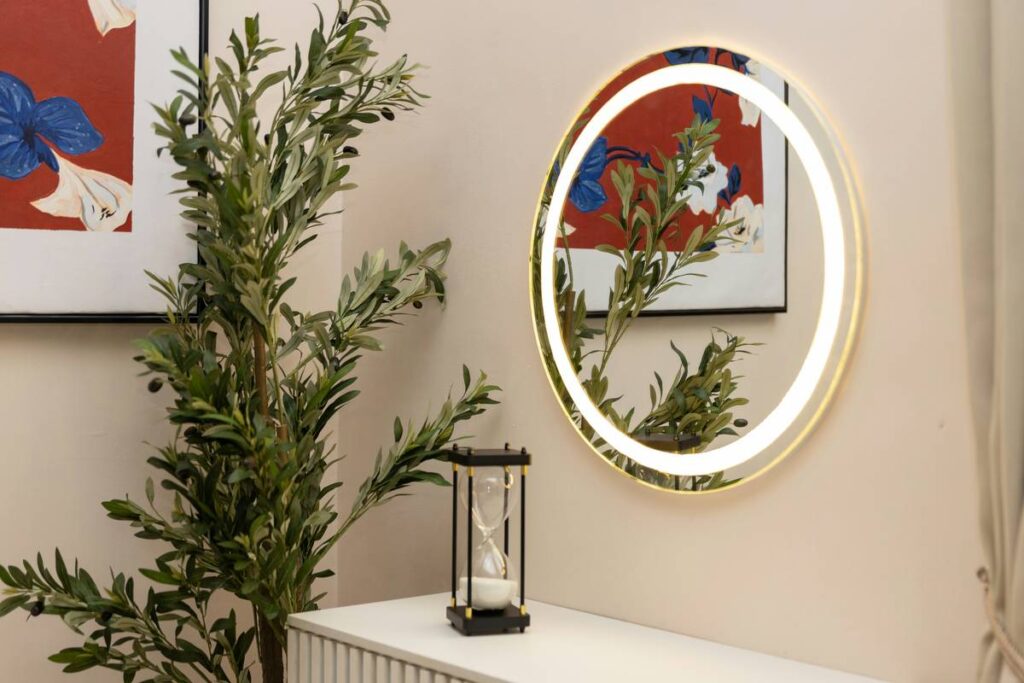
| LED Ring Vanity Mirror | Everyday application, content creators | 3000K–5000K (adjustable) | $60–$150 | Position ring parallel to face—not above—to avoid shadow under eyes |
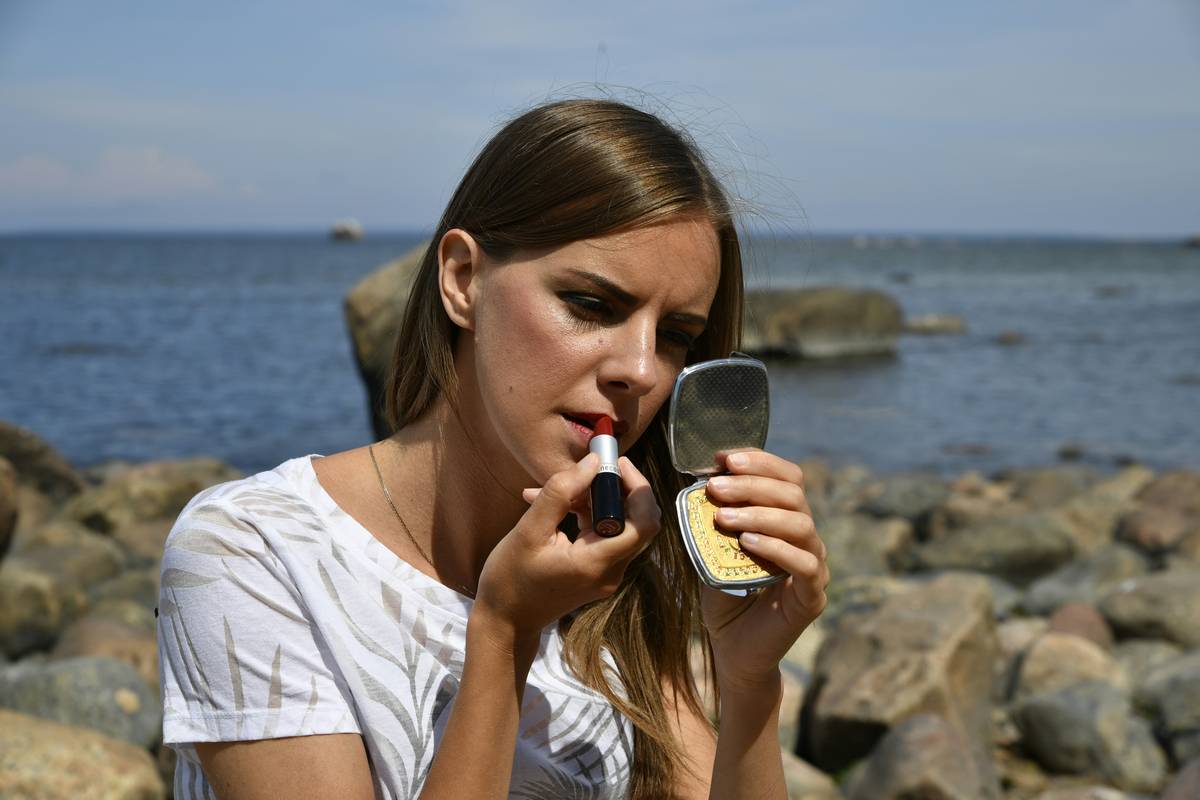
| Magnifying Travel Mirror | On-the-go touch-ups, detail work | N/A (relies on ambient light) | $15–$40 | Pack one with suction cup—sticks to any smooth surface |
| Wall-Mounted Hollywood Mirror | Permanent vanities, pros | Fixed 4500K | $120–$300 | Install at seated eye level—never overhead |
The Industry Secret: Mirrors Don’t Reflect—They Interpret
Here’s what brands won’t tell you: Glass quality affects color fidelity more than lighting. Cheap mirrors use soda-lime glass with greenish tints (thanks to iron impurities). That “rosy” blush? Actually orange. High-end salons use low-iron glass—crystal clear, true-color reflection. It’s pricier, but critical if you match foundation across seasons.
And this—most “daylight” LEDs are poorly calibrated. They hit 5000K on spec sheets but emit uneven spectral peaks, muting reds and amplifying blues. Test before you buy: Hold a white paper under the mirror. If it looks slightly pink or green, walk away. True neutral = pure white.
Think about it: You wouldn’t paint a portrait under a streetlamp. Why apply makeup under compromised optics?
Frequently Asked Questions
What magnification is best for daily makeup?
Stick to 1x for full-face application. Use 3x only for eyeliner or tweezing. Higher magnifications distort proportions.
Are lighted makeup mirrors worth it?
Yes—if they offer adjustable color temperature (3000K–5000K). Fixed warm or cool LEDs mislead more than help.
How do I clean my makeup mirror without streaks?
Spray glass cleaner on a microfiber cloth—not directly on the mirror—to avoid liquid seeping into LED housings.